
What Is SEO? 7 Powerful Tips to Increase Your Rankings
Quick Enquiry
ChatGPT said:
Search Engine Optimization (SEO) and DIGITAL MARKETING together form the backbone of any successful online presence. SEO is the art and science of making your website more visible to people who are actively searching for the products, services, or information you offer, while digital marketing encompasses the broader strategies—such as social media, email campaigns, and paid advertising—that drive, engage, and convert visitors. When executed correctly, SEO channels high-intent traffic to your site, and digital marketing amplifies that reach across multiple platforms. Combined, they not only attract and retain qualified leads but also build brand trust, improve user experience, and generate compounding returns over time. In this comprehensive guide, we’ll demystify SEO and its role within digital marketing—what it is, how it works, why it matters, and exactly what you need to do to leave your competitors behind in 2025.
1. What Is SEO? In Plain English
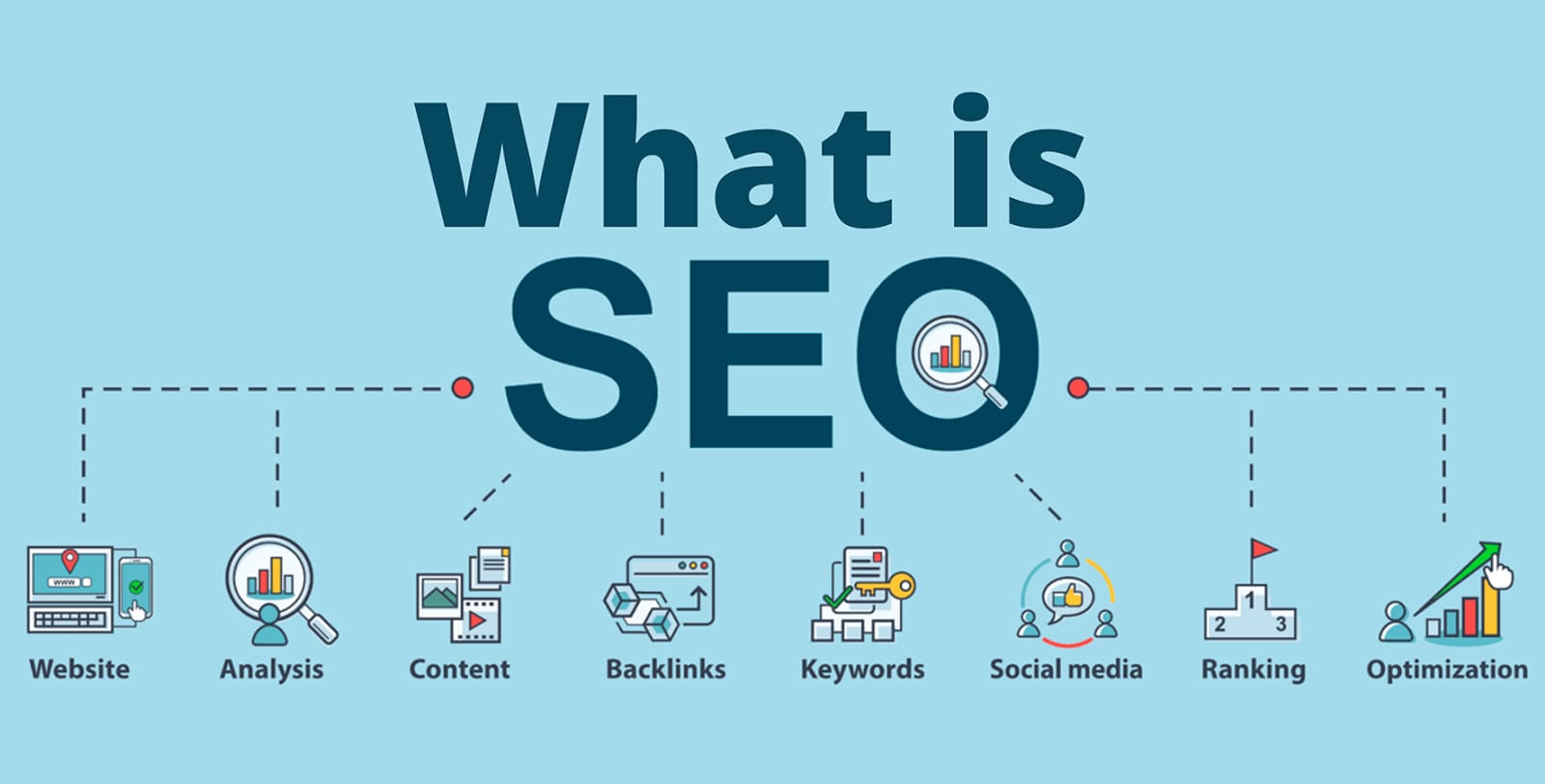
At its core, SEO is about speaking the same language as your customers. Search engines like Google use complex algorithms to decide which pages to show for any given query. SEO involves structuring your website, crafting your content, and building your online reputation so that search engines recognize you as the most relevant, authoritative answer to a searcher’s question.
Rather than paying for ads, SEO focuses on organic (non-paid) rankings. By optimizing your site and content around the terms your audience is typing into search engines, you can capture ongoing traffic, leads, and sales without the constant cost of pay-per-click campaigns.
2. Why SEO Still Matters in 2025
It’s easy to get distracted by new marketing channels—social media, influencers, video platforms—but the fact remains: over 70% of all clicks go to organic search results. SEO delivers three major advantages:
Cost Efficiency: Once you rank well, maintaining your position costs far less than running ads.
Credibility & Trust: Users trust organic results more than paid ads. A first-page listing signals authority.
Long-Term ROI: Unlike short-lived ad campaigns, SEO compounds. Content you publish today can continue driving leads for years.
In an era where consumers research products online before buying, not having a strong SEO presence is like hiding your storefront down a dark alley.
3. How Search Engines Work
Understanding the mechanics behind search engines is critical to effective optimization. The process breaks down into three stages:
Crawling
Search engines send out “spiders” (bots) that follow links across the web, discovering new pages.Indexing
Discovered pages are analyzed and stored in the search engine’s vast index—a giant library of all the content it knows about.Ranking
When a user types a query, the engine sifts through the index to find and rank the most relevant pages using hundreds of ranking factors (e.g., keyword usage, backlinks, page speed).
Your job is to make sure your pages are easy to crawl, clearly understandable to algorithms, and aligned with the signals search engines look for.
4. The Four Pillars of Modern SEO
A. Keyword Research
Identify User Intent: Are people looking to buy (“best running shoes”), learn (“how to tie running shoes”), or compare (“Nike vs. Adidas running shoes”)?
Tools & Techniques: Use keyword-planner tools, analyze “People also ask” sections, and mine auto-suggestions to uncover high-value terms.
Long-Tail vs. Head Terms: Balance broader, competitive keywords with more specific, lower-volume phrases that often convert better.
B. On-Page SEO
Title Tags & Meta Descriptions: Craft persuasive, concise titles (60 characters max) and meta descriptions (under 160 characters) that include your target keyword and a compelling reason to click.
Header Structure (H1–H6): Use H1 for page titles, H2–H3 for subsections—this helps both readers and search engines follow your content.
Content Quality: Write original, in-depth content that answers user questions fully. Aim for clarity, proper grammar, and natural keyword integration.
URL Structure: Keep URLs short, descriptive, and keyword-rich (e.g.,
/what-is-seo/rather than/p=12345).
C. Technical SEO
Mobile-First Indexing: Ensure your site is fully responsive—Google now uses the mobile version of your pages to evaluate and rank your content.
Site Speed: Compress images, leverage browser caching, and minimize JavaScript/CSS to keep load times under three seconds.
XML Sitemap & Robots.txt: Submit a sitemap to Google Search Console and configure
robots.txtto guide crawlers away from non-essential pages.Structured Data (Schema Markup): Implement schema (e.g., FAQ, Breadcrumb, Article) to help search engines understand your content and enable rich results.
D. Off-Page SEO
Backlink Building: Earn links from reputable, relevant websites through guest posts, resource pages, and partnerships. Quality always trumps quantity.
Brand Mentions & PR: Online mentions—even unlinked—signal authority. Engage in industry forums, news features, and social media conversations.
Local SEO: For brick-and-mortar businesses, optimize Google Business Profile, gather genuine reviews, and build citations on local directories.
5. Measuring SEO Success
SEO isn’t guesswork—it’s data-driven. Track your progress with these key metrics:
Organic Traffic: Sessions from search engines (Google Analytics).
Keyword Rankings: Monitor your position for target keywords using rank-tracking tools.
Click-Through Rate (CTR): Percentage of users who click your listing versus those who see it.
Bounce Rate & Dwell Time: Indicators of content relevance and engagement.
Backlink Profile: Number and quality of incoming links (Ahrefs, SEMrush).
Regularly analyze what’s working, iterate on underperforming pages, and capitalize on new keyword opportunities.
6. Common SEO Pitfalls to Avoid
Keyword Stuffing: Overloading your content with keywords harms readability and can trigger penalties.
Thin or Duplicate Content: Every page should serve a unique purpose and offer genuine value.
Neglecting Mobile Users: Slow, unresponsive pages will lose rankings and visitors.
Toxic Backlinks: Links from spammy sites can drag down your authority—disavow them if necessary.
Ignoring User Experience: Poor navigation, intrusive pop-ups, and confusing layouts drive users away.
7. Tactical SEO Best Practices for 2025
Topic Clusters & Pillar Pages: Organize content around core “pillar” topics with supporting cluster articles to signal expertise and improve internal linking.
Semantic SEO: Write for concepts, not just keywords—use related terms and answer the full set of user questions on a topic.
Voice & Visual Search: Optimize for conversational queries (“How do I…”), and mark up your images with ALT text and captions for better discoverability.
E-A-T Signals (Expertise, Authority, Trust): Showcase author bios, cite reputable sources, and secure your site with HTTPS.
8. Putting It All Together: Your 5-Step SEO Kickstart
Audit Your Current Site
Identify technical errors, thin content, and poor-quality backlinks.Build a Keyword Map
Assign target keywords to existing pages and plan new content around high-opportunity terms.Optimize On-Page Elements
Update titles, headers, meta tags, URLs, and body copy to align with your keyword map.Enhance Technical Health
Improve site speed, mobile usability, and crawlability via Search Console fixes.Launch a Link-Building Campaign
Reach out for guest blogging, local partnerships, and digital PR to earn authoritative backlinks.
9. The Long Game: Patience and Persistence
True SEO success doesn’t happen overnight. While you may see small gains in weeks, achieving top-page rankings for competitive terms often takes months of consistent effort. Treat SEO as a permanent part of your marketing mix—continually refining your strategy, updating content, and strengthening your online reputation.
Conclusion
SEO is no longer a mysterious black box—it’s a clear, methodical process that combines technical know-how, creative content, and strategic outreach. By understanding how search engines work and focusing on user intent, you can build a sustainable stream of organic traffic that drives real business growth. Start with a solid foundation—keyword research, on-page optimization, clean technical setup—and layer in high-quality content and trusted backlinks. Over time, your website will earn authority in your niche, outshine competitors, and become the go-to resource for your audience. Embrace SEO as a long-term investment, and you’ll reap the benefits for years to come.